Scope
Voltage range: 300/300 V to 450/750 V
This family gathers the constructions that do not make up a circuit class of their own but are ordered every day: flexible cord for appliances, instruments and electronic equipment; flat twin and twisted pair cord; and screened cord for audio, instrument and signal connections inside equipment.
These are equipment wires rather than building wires. The standards they are made to cover the wire as a component, so tell us what the wire is going into and whether the finished assembly has to carry a national approval.
Key characteristics
- RV family — PVC-insulated flexible cord and its variants: RV single-core, RVB flat twin, RVS twisted pair, RVV and RVVB sheathed cord, and RV-90 for higher conductor temperature.
- RVP, RVP-90, RVVP and RVVP1 carry a copper wire braid screen, for connections where electromagnetic shielding is needed.
- Cross-sections from 0.2 mm² to 2.5 mm² in 2 to 5 cores.
- Published per size: conductor construction, conductor resistance at 20 °C, maximum overall diameter and reference weight.
Size range at a glance
Each size counted above carries its own dimensional and electrical figures in
the tables further down this page. Intermediate sizes are manufactured to order.
Construction
Each entry is identified three ways: an international description,
a construction code naming the material build-up, and a national
type designation given for cross-reference only. Read the code
string left to right — conductor, insulation, then screening,
armour and sheath where fitted.
Product photographs
Photographs of builds supplied from this family — flexible cord, and the project-specific constructions made to order alongside it. Core count, screening, armouring and sheath follow the specification of each order; the data sheet for your build is issued with the quotation.
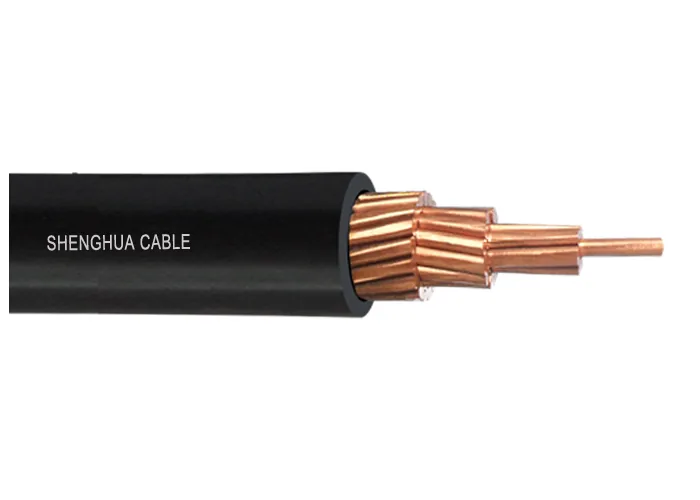
Flexible cord, cut back to the copper.
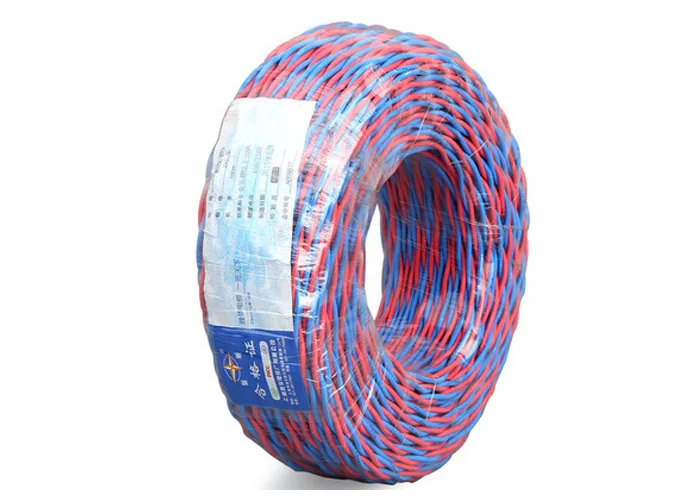
Flexible cord supplied coiled.
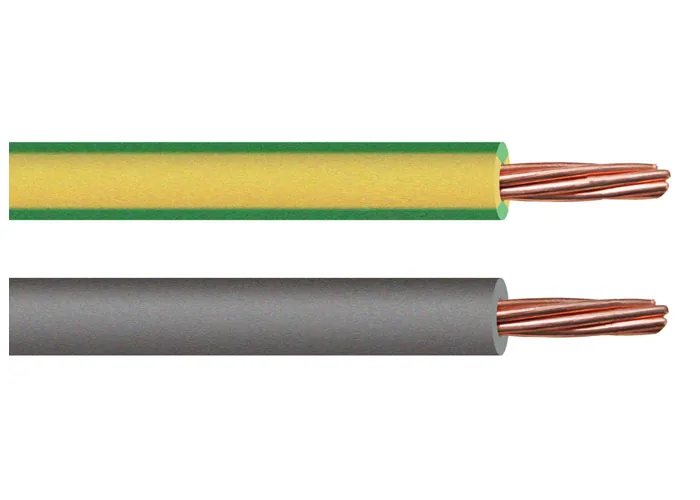
Flat cords, stripped at the ends.
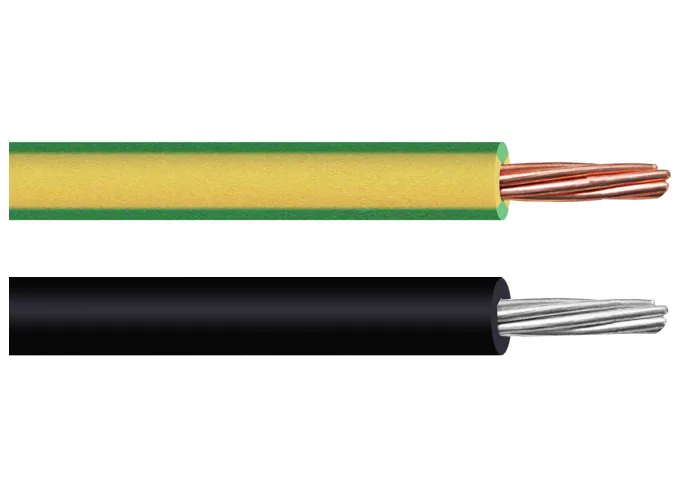
Flat and round cords, stripped at the ends.
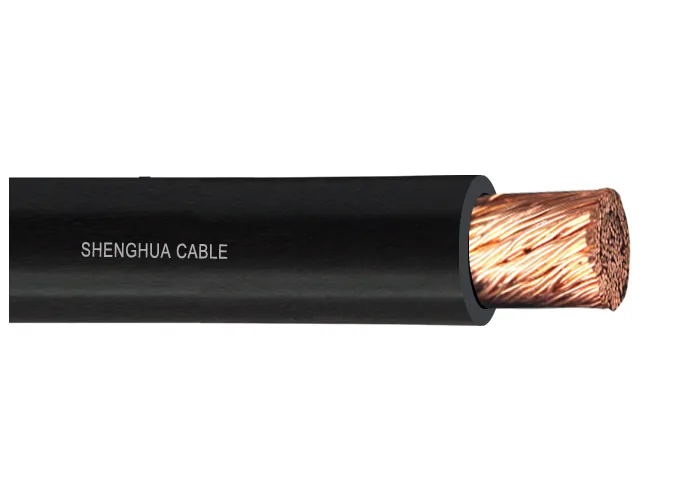
Round cord, cut back to a stranded conductor.
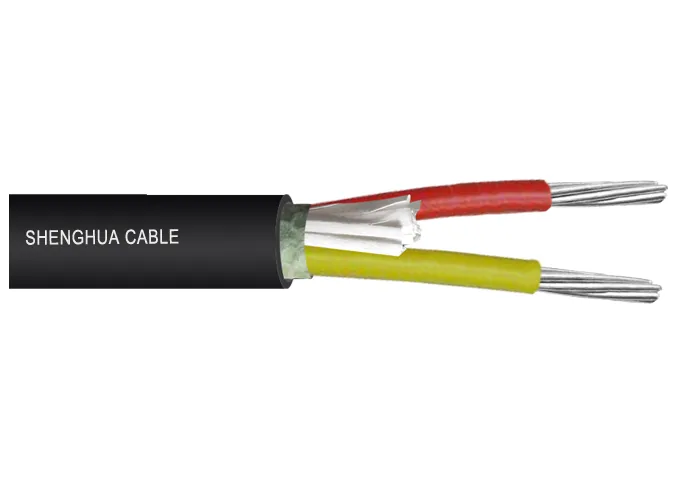
Two cores opened out at the end.
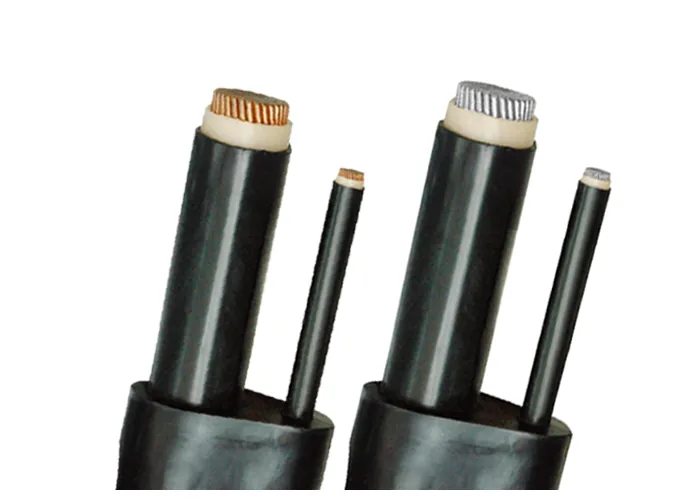
Branch joint, cut back to the main core and the branch leg.
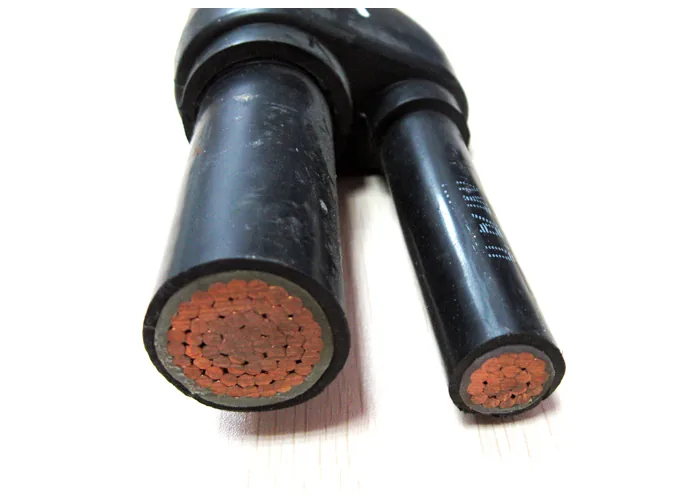
Branch joint seen end-on — main and branch conductors.
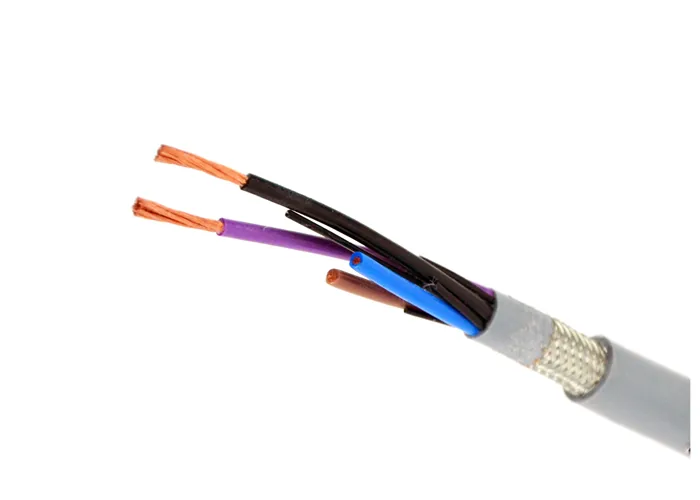
Screened core assembly — braid over the cores, grey sheath outside.
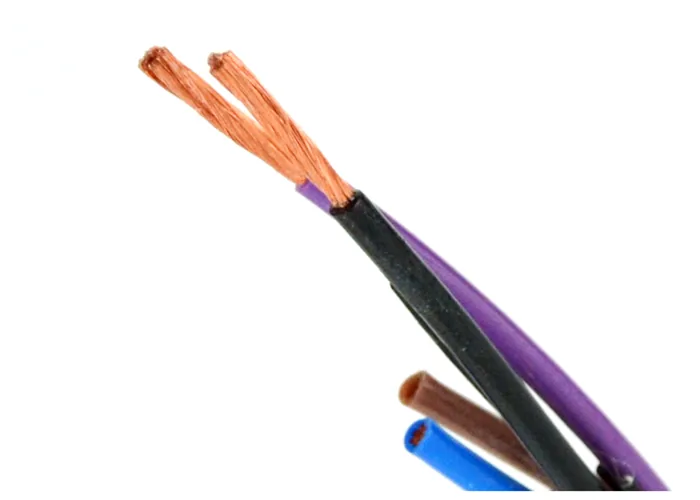
Core detail — conductors laid up from fine copper strands.
- Conductor
- Class 5 stranded copper (very flexible)
- Insulation
- PVC, 70 °C (RV-90 rated 90 °C)
- Sheath (RVV/RVVB)
- PVC, white or black
Application For internal wiring of electrical appliances, instruments, electronic equipment, power tools, and various portable electrical equipment.
Execution standards
- China (GB · JB · MT)
GB/T 5023-2008
Technical data — 16 sizes × 4 parameters
Source: Shenghua cable catalogue — figures transcribed from the printed catalogue.
- Conductor
- Class 5 stranded copper (very flexible)
- Insulation
- PVC, 70 °C (RVP-90 = 90 °C)
- Screen (RVVP)
- copper wire braid
- Sheath
- PVC, white/black
Application For connection of electrical appliances, instruments, electronic equipment where electromagnetic shielding is required (e.g. audio, signal).
Execution standards
- International (IEC)
IEC 60227 - China (GB · JB · MT)
JB/T 8734-2016
Technical data — 17 sizes × 5 parameters
Source: Shenghua cable catalogue (pp. 7, 8) — figures transcribed from the printed catalogue.
Type designations by region
Buyers search for a supplier by the designation their own market uses.
The codes listed against each construction above are the designations
this family is ordered under in China; each is given for cross-reference
only, and is published only where a supporting reference exists.
The Russian-market designations below are asked for by name on this family; the structure is confirmed against each enquiry.
Russia / CIS GOST
Cross-reference to our product families only — these pages state
which family a designation is asked for under; they do not claim
that our cable is certified to ГОСТ.
Type designations are given for cross-reference, so a specification written to IEC, GB, EN, DIN VDE, BS or GOST finds the right construction. Each designation is defined by the standard named beside it. Construction, standard edition and approval route are confirmed against your specification before an order is placed.
To quote we need
Send what you have of the following — a partial enquiry still lets us
start, and we will tell you which answers are missing.
- Cord type, or the designation used in your market
- Number of cores and cross-section
- Whether a screen is required
- Sheath colour and printing
- Whether a national approval is needed on the finished assembly
- Quantity and drum lengths